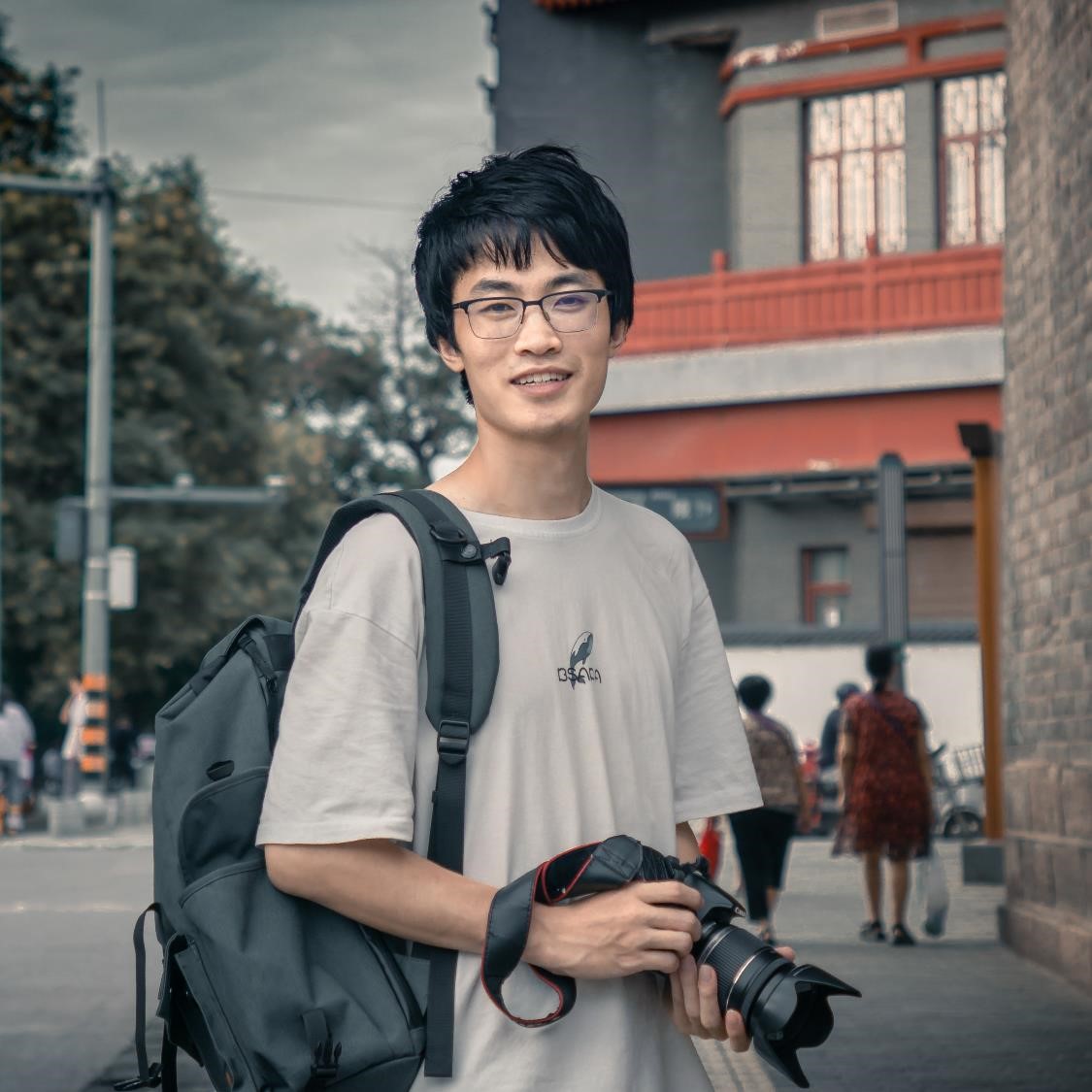
I am currently a third-year Ph.D. student majoring in Computer Science at Texas A&M University, advised by Prof. Wenping Wang and Prof. Xin Li.
I received my Bachelor of Engineering degree at Fudan University in 2023. I also worked as a research assistant at HKUST CSE with Prof. Dan Xu. Previously, I worked with Prof. Tao Chen and Prof. Jiayuan Fan.
My research interests lie in Computer Vision and Graphics.
Department of Computer Science and Engineering
Ph.D. Student
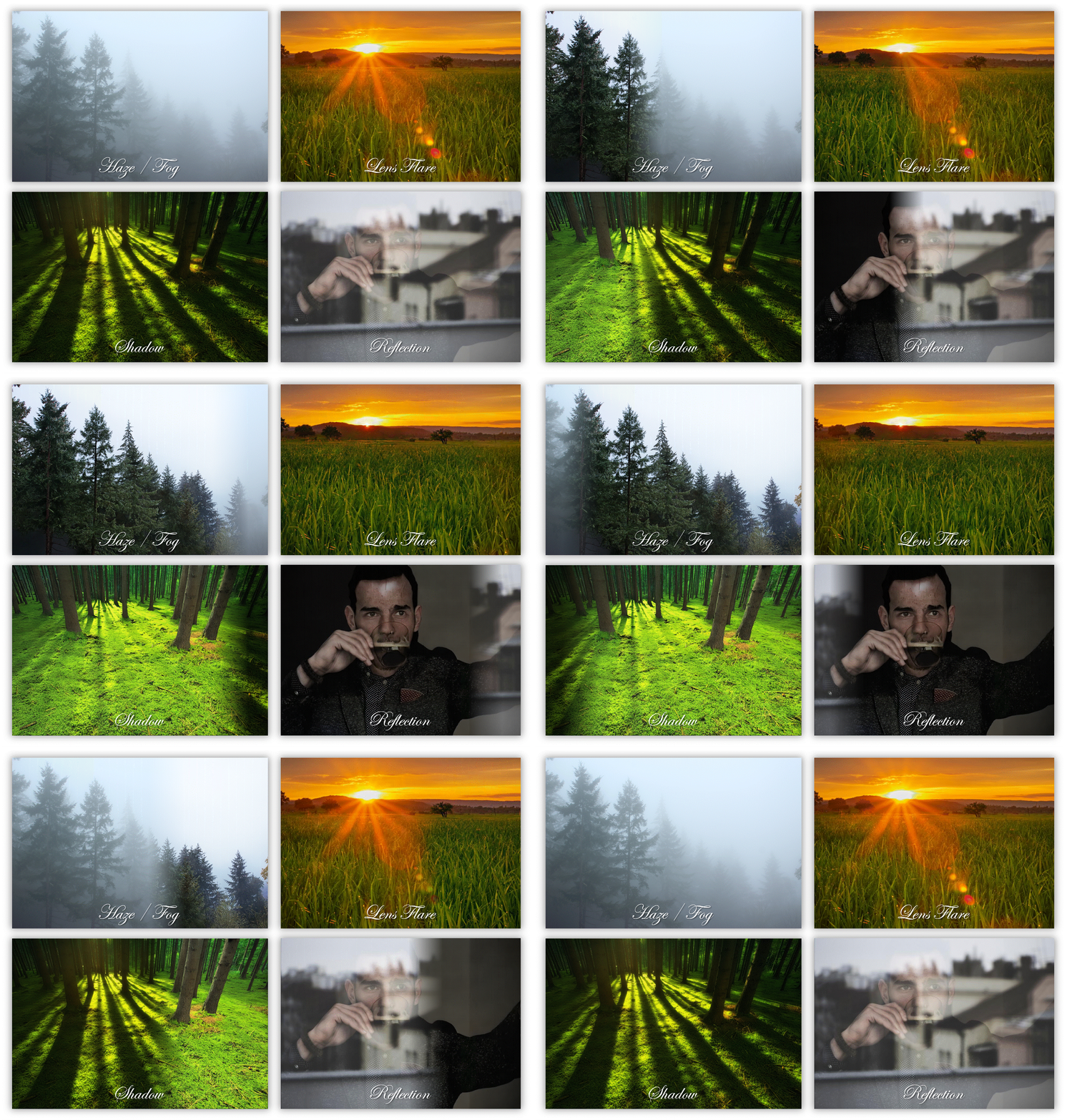
August 2023 - PresentAbstract: We propose a foundational image soft effect removal (SER) model with: i) a large, curated pair-wise dataset with diverse soft effects (e.g. lens flare, haze, shadows, and reflections), ii) fine-grained user control with spatial masks and strength control, iii) generalize on zero-shot unseen effects, iv) add or enhance effects.
Abstract: SPGen leverages Spherical Projection (SP) to generate high-quality 3D shapes with i) Consistency: SP maps ensure view-consistent and unambiguous 3D reconstruction, ii) Flexibility: Supports arbitrary topologies, iii) Efficiency: Inherit powerful 2D diffusion priors and enables efficient finetuning.
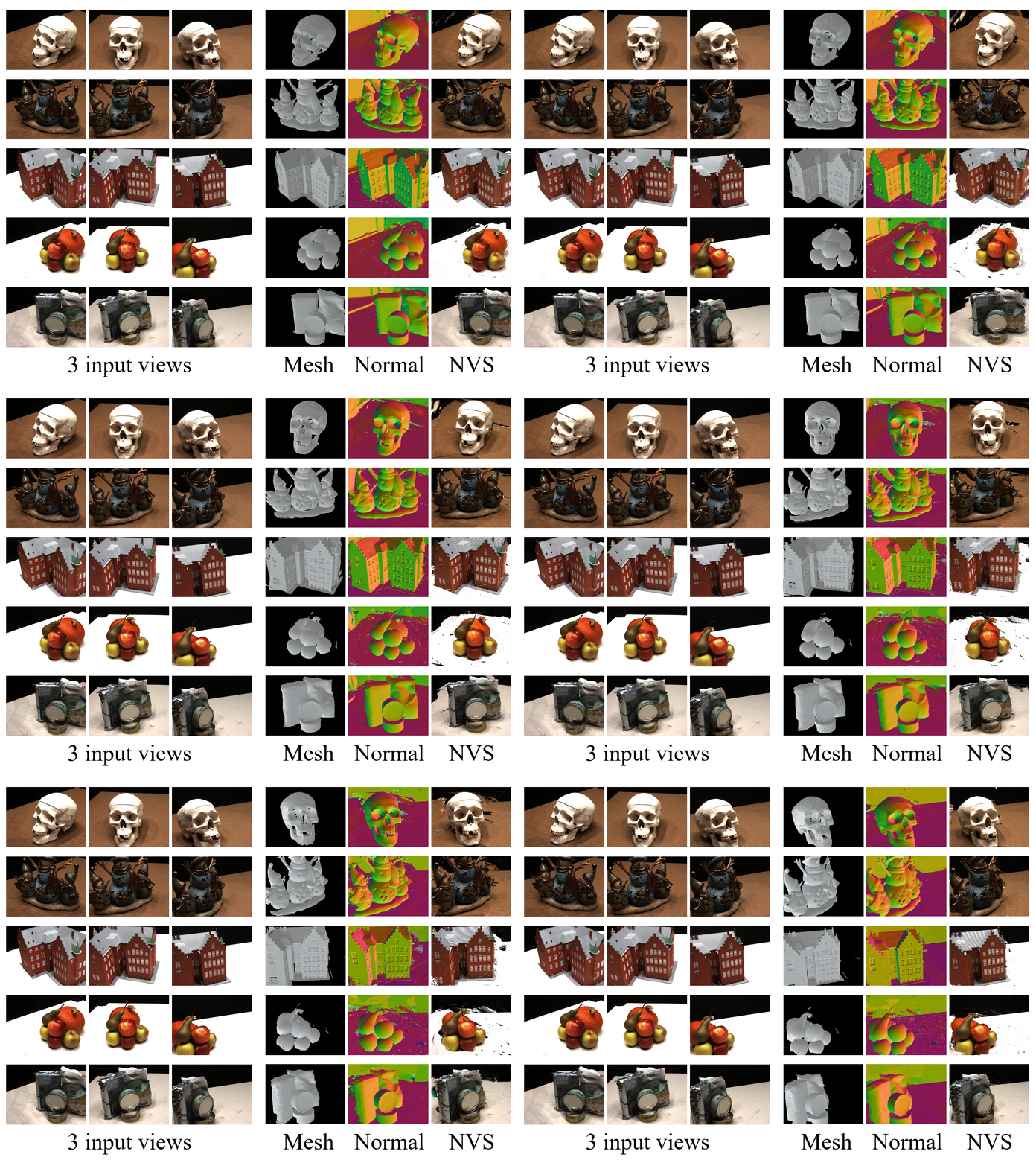
Abstract: We present SolidGS, which reconstructs a consolidated Gaussian field from sparse inputs. Given only three input views, our approach enables high-precision and detailed mesh extraction, and high-quality novel view synthesis, achieved within just three minutes.
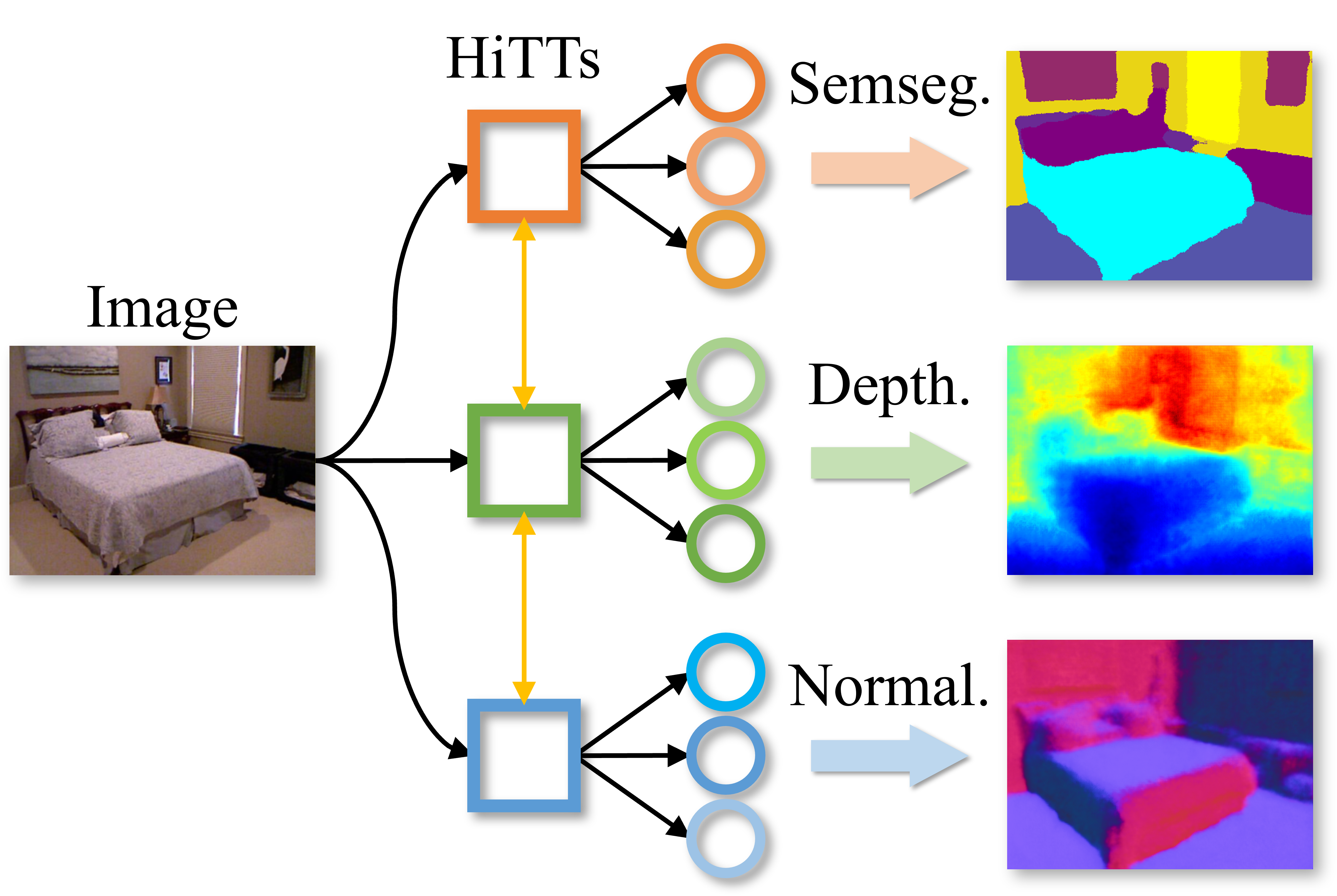
Abstract: This research proposes a new approach to multi-task dense predictions with partially labeled data. We introduce hierarchical task tokens (HiTTs) to capture multi-level representations. The global task tokens conduct cross-task interactions and transfer knowledge from labeled to unlabeled tasks.
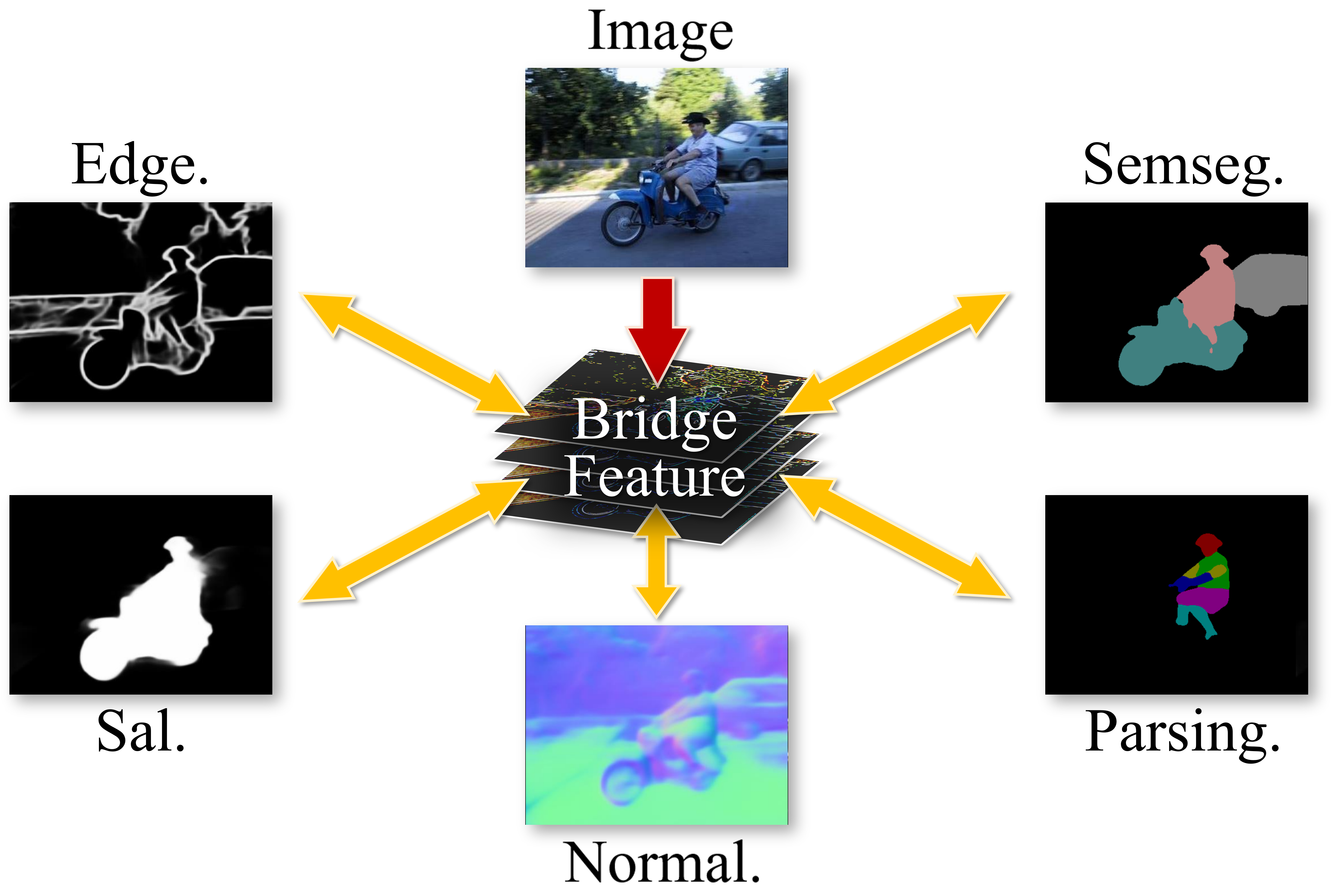
Abstract: This work introduces a novel BridgeNet for multi-task learning on dense predictions. It uses a Bridge Feature Extractor (BFE) to create strong bridge features and a Task Pattern Propagation (TPP) to solve the task-pattern entanglement issue, resulting in task-specific features with higher quality.
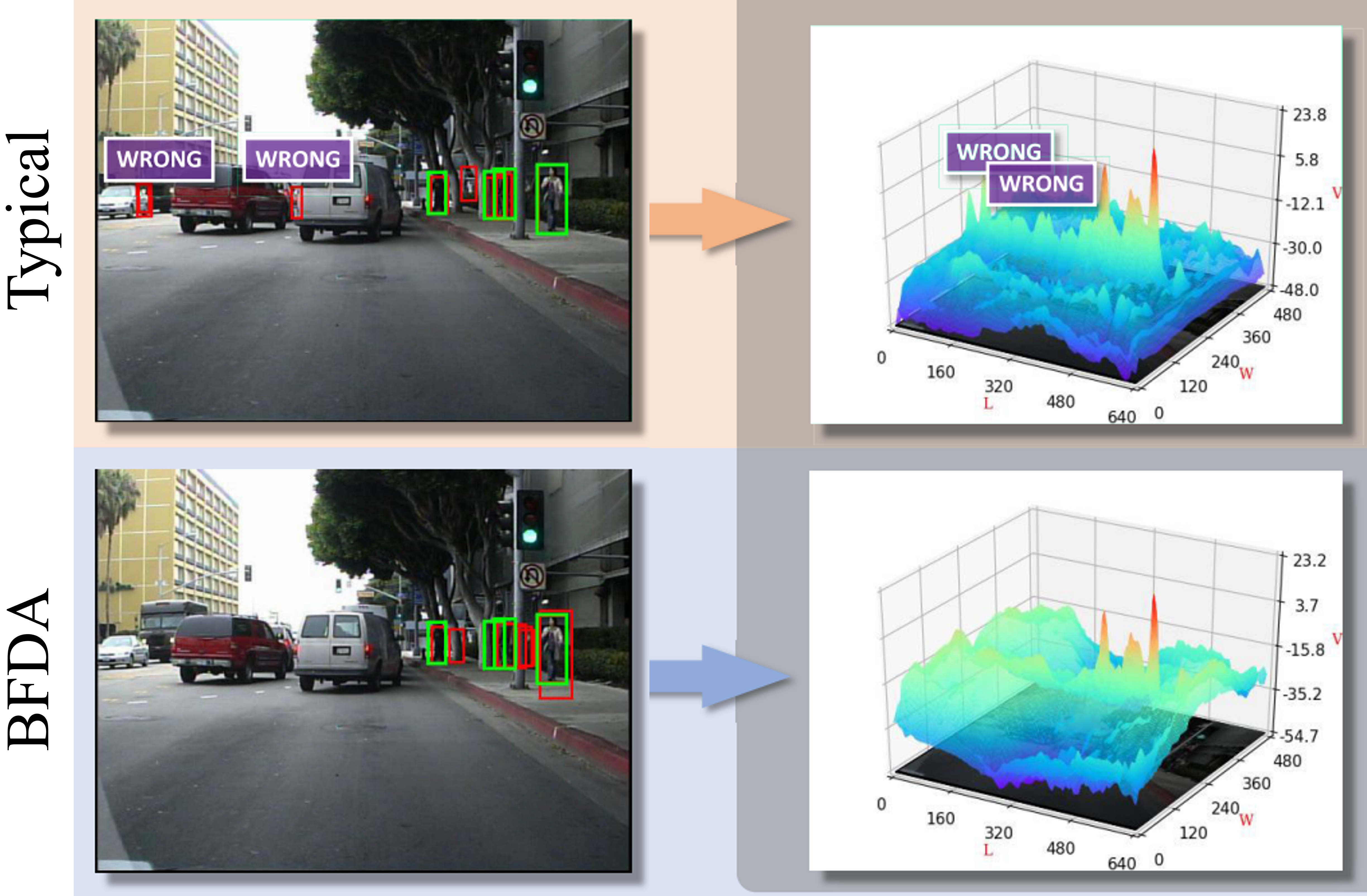
Abstract: We introduce a new approach for cross-domain pedestrian one-stage detectors. The paper identifies a foreground-background misalignment issue in image-level feature alignment, and a novel framework, Background-Focused Distribution Alignment (BFDA) is proposed to address this issue.
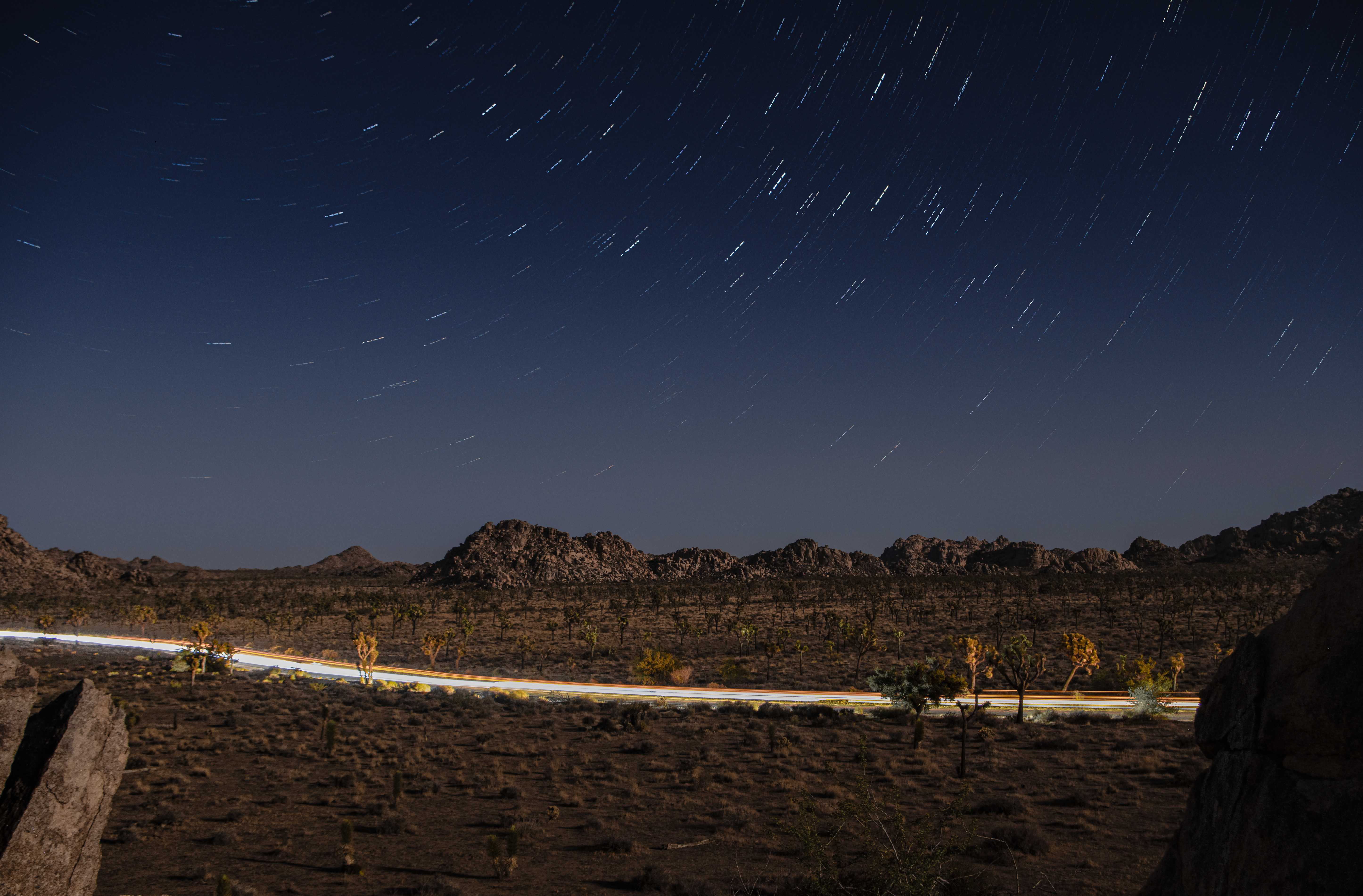
I love photography and road trips.